Women Hope_Banner-EN_Artboard 44
Women Hope_Banner-EN_Artboard 43

Sustainable Development Work

Women’s Hope International Federation has always regarded the principles of Environmental, Social, and Governance (ESG) as core elements in driving institutional sustainable development, and has actively implemented related measures with a strong sense of responsibility and foresight. We recognize that in the face of multiple global challenges — such as climate change, gender inequality, and demographic shifts — ESG is not only a key framework for organizations to address these issues, but also a crucial driver for enhancing competitiveness and achieving long-term sustainability.

As a strategic blueprint jointly developed by women’s federations worldwide under the United Nations, our mission is to empower society with greater women’s rights and to build a fair, sustainable, equal, and inclusive world.
Sustainable Development Strategy

To realize the vision of “Equal Rights for All,” Women’s Hope International Federation is committed to advancing four core pillars as the organization’s development direction: “Promoting women’s physical and mental health,” “Creating abundant career planning milestones,” “Driving sustainable development,” and “Advocating for a caring and inclusive world.”

We actively respond to these four service development directions and align them closely with the United Nations Sustainable Development Goals (SDGs), providing suitable programs and initiatives for our members and service recipients.
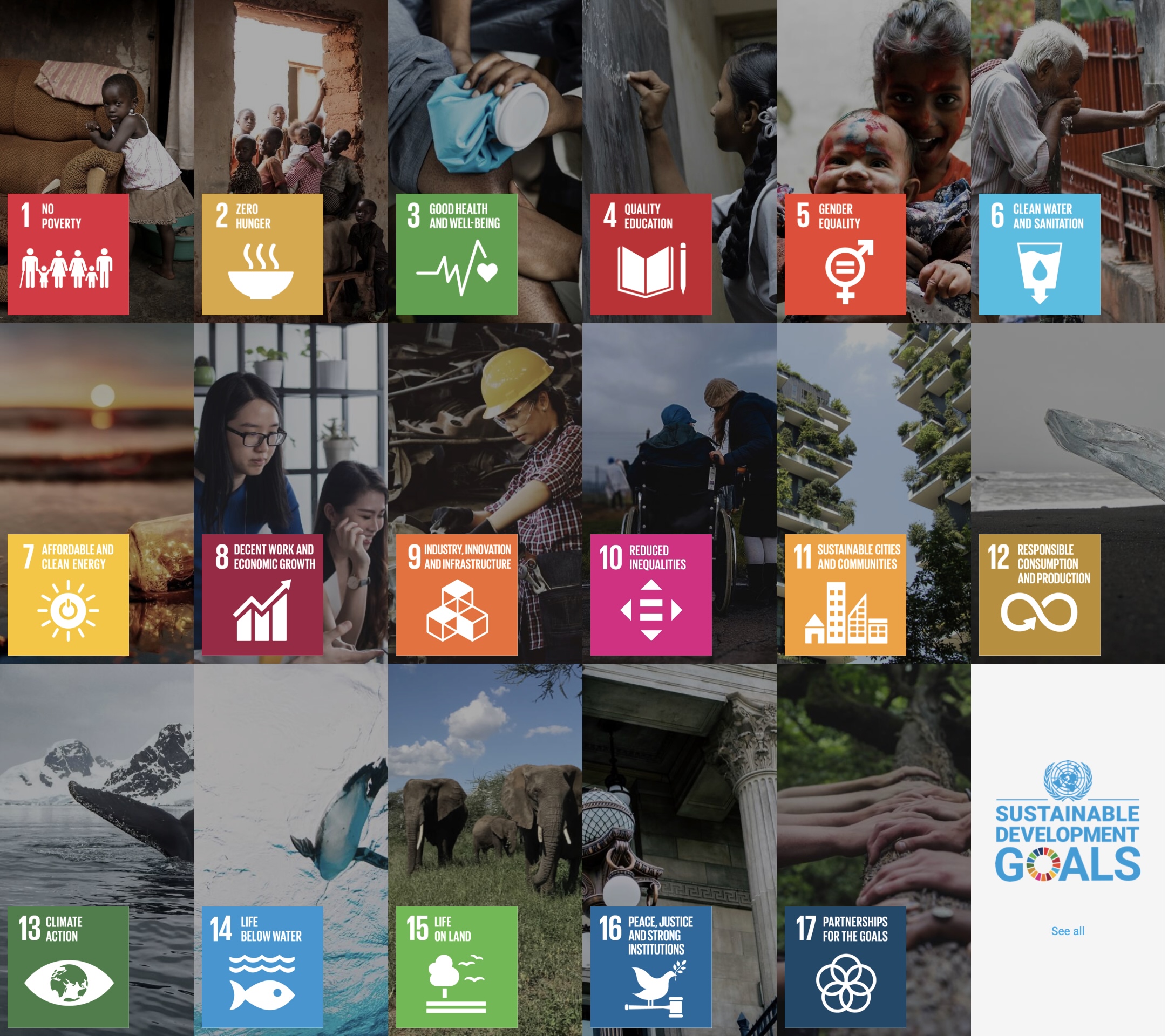
United Nations Sustainable Development Goals (SDGs)

SDG 1 – No Poverty
End poverty in all its forms everywhere.

SDG 2 – Zero Hunger
End hunger, achieve food security, improve nutrition, and promote sustainable agriculture.

SDG 3 – Good Health and Well-being
Ensure healthy lives and promote well-being for all at all ages.

SDG 4 – Quality Education
Ensure inclusive, equitable, and quality education, and promote lifelong learning opportunities.

SDG 5 – Gender Equality
Achieve gender equality and empower all women and girls.

SDG 6 – Clean Water and Sanitation
Ensure availability and sustainable management of water and sanitation for all.

SDG 7 – Affordable and Clean Energy
Ensure access to affordable, reliable, sustainable, and modern energy for all.

SDG 8 – Decent Work and Economic Growth
Promote sustained, inclusive, and sustainable economic growth, full employment, and decent work.

SDG 9 – Industry, Innovation and Infrastructure
Build resilient infrastructure, promote sustainable industrialization, and foster innovation.

SDG 10 – Reduced Inequalities
Reduce inequality within and among countries.

SDG 11 – Sustainable Cities and Communities
Make cities and human settlements inclusive, safe, resilient, and sustainable.

SDG 12 – Responsible Consumption and Production
Ensure sustainable consumption and production patterns.

SDG 13 – Climate Action
Take urgent action to combat climate change and its impacts.

SDG 14 – Life Below Water
Conserve and sustainably use oceans, seas, and marine resources.

SDG 15 – Life on Land
Protect, restore, and promote sustainable use of terrestrial ecosystems, forests, and biodiversity.

SDG 16 – Peace, Justice and Strong Institutions
Promote peaceful and inclusive societies, provide access to justice, and build accountable institutions.

SDG 17 – Partnerships for the Goals
Strengthen global partnerships to support and achieve the sustainable development agenda.