
Understanding Breast Cancer
Breast Cancer
Breast cancer is one of the most common cancers among women, typically affecting those aged 40 to 65, though it has shown a trend toward younger onset in recent years. It originates from abnormal cell growth in the breast, most commonly in the ducts or lobules. Early stages may present no symptoms, but early detection and treatment can significantly improve survival rates.

Causes and Symptoms
What Causes Breast Cancer?
Breast cancer arises from a combination of multiple factors rather than a single cause. Genetic mutations and hormonal influences are central contributors, while lifestyle habits and obesity are modifiable risk factors. Maintaining a healthy lifestyle and undergoing regular breast screenings are crucial for reducing risk.
Aging:Risk increases with age, especially after menopause.
Family history and genetics:Having a mother, sister, or daughter with breast cancer increases risk. Mutations in the BRCA1 and BRCA2 genes significantly raise the likelihood of developing breast and ovarian cancer.
Menstrual and Early menstruation: (before age 11), late menopause (after age 54), never having children, or having the first child after age 35 all increase risk.
Breastfeeding:Women who have never breastfed have a higher risk.
Lifestyle habits:Alcohol consumption, smoking, lack of exercise, and diets high in animal fat are linked to increased risk.
Obesity and weigh:Postmenopausal obesity raises risk due to increased estrogen production from fat tissue.
Hormone therapy or contraceptives:Long-term use of birth control pills or hormone replacement therapy (over five years) increases risk.
History of breast disease:Previous breast tumors or atypical hyperplasia raise the likelihood of cancer.
Common Symptoms of Breast Cancer
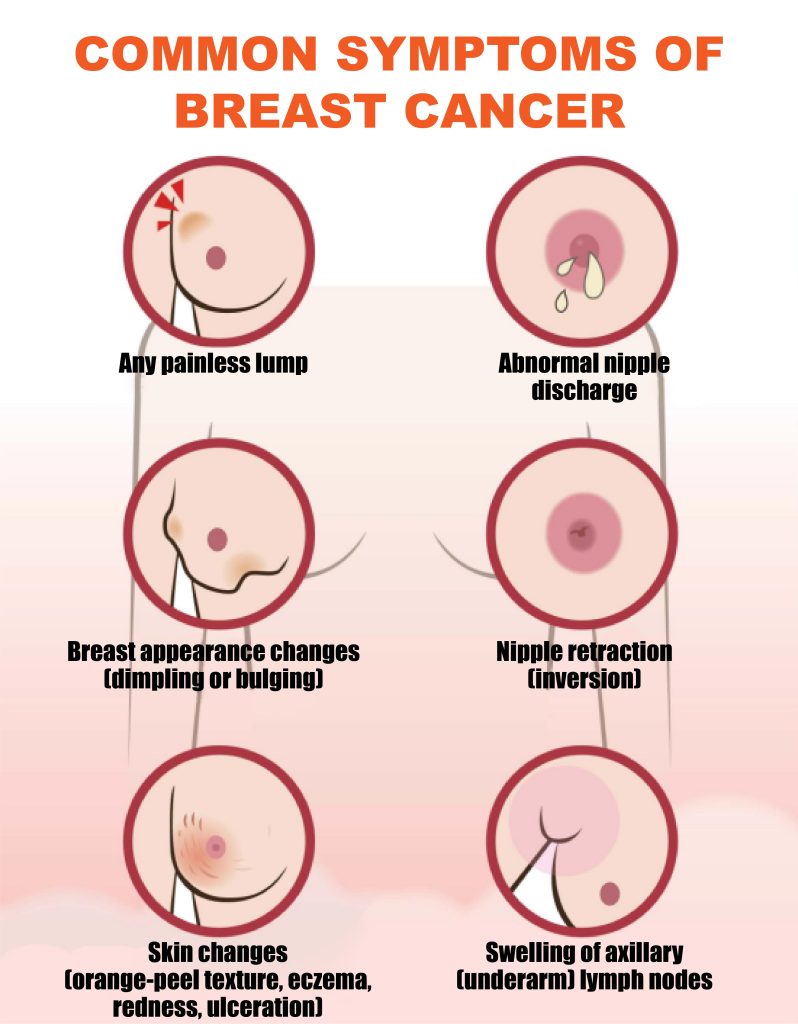
Most symptoms involve changes in the appearance or feel of the breast or nipple. However, early breast cancer may be completely asymptomatic, making regular screening essential.
Breast lump:The most typical sign—usually hard, irregular, and immobile.
Changes in breast appearance:Asymmetry, skin dimpling, or orange peel-like texture.
Nipple abnormalities:Inversion, displacement, or discharge (especially bloody).
Skin changes:Redness, ulceration, flaking, or persistent eczema-like irritation.
Swollen lymph nodes in the armpit:May be accompanied by a lump or pressure.
Breast pain or discomfort:Although breast cancer is often painless, persistent discomfort should be evaluated.
Diagnostic Methods
Clinical examination:Doctors palpate the breast and armpit lymph nodes to detect lumps or abnormalities.
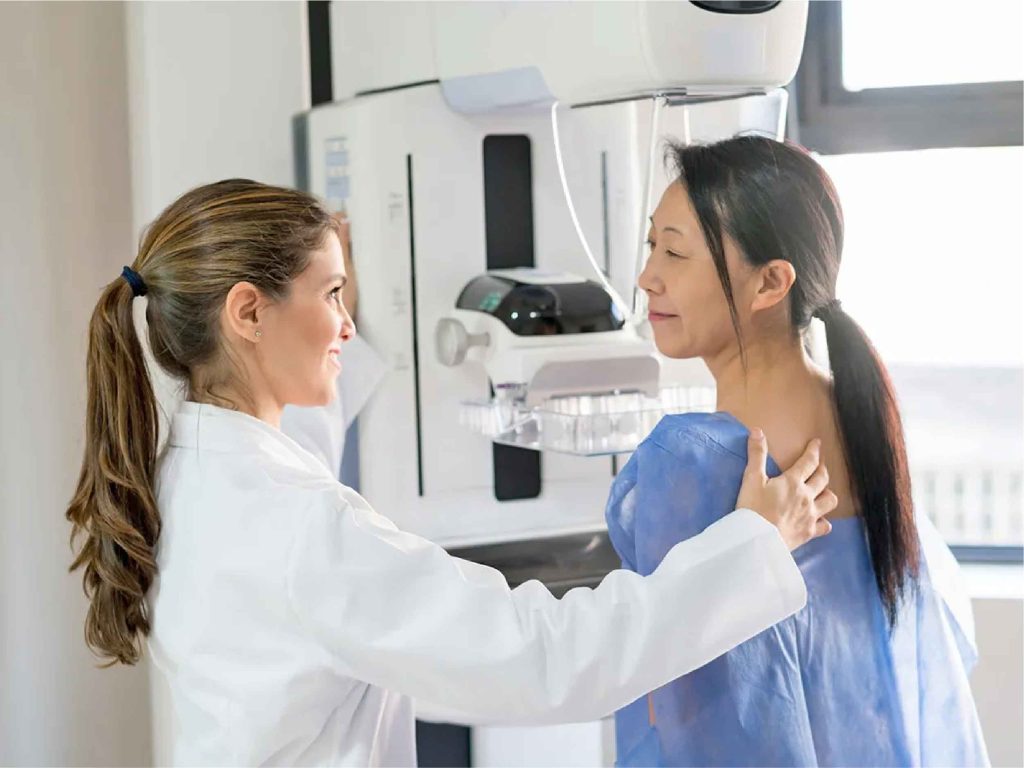
Mammogram:The most common screening tool, capable of detecting early tumors or microcalcifications.
Breast ultrasound:Helps distinguish between solid and cystic lumps; often used alongside mammography.
MRI:Recommended for high-risk individuals or those with dense breast tissue; provides clearer imaging.
Fine needle aspiration or biopsy:Extracts cells or tissue from a lump to determine malignancy.
Blood tests and tumor markers:Assist in assessing disease status but are not primary diagnostic tools.
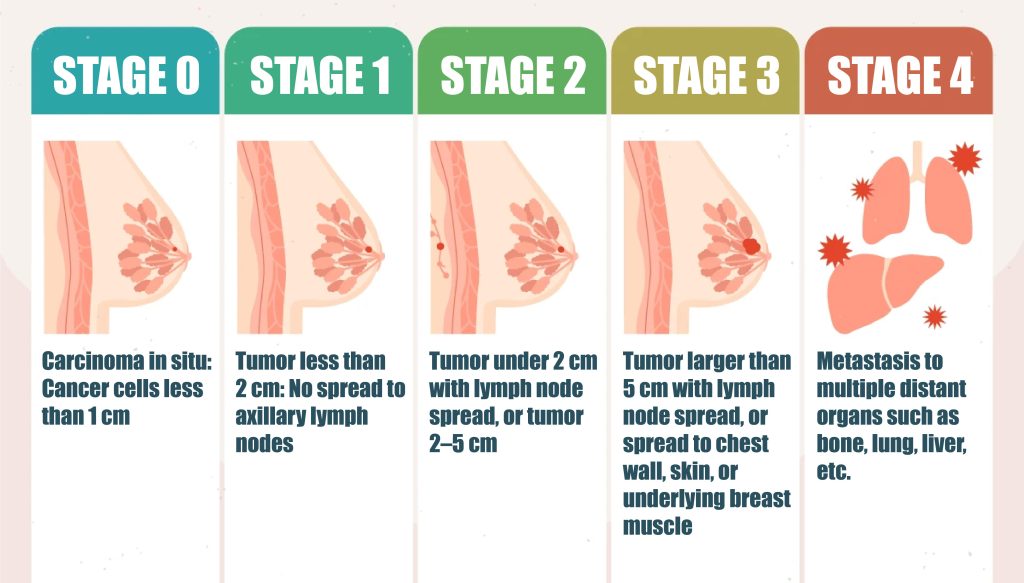
Staging tests:If breast cancer is confirmed, further tests like CT, bone scan, or PET-CT may be needed to check for metastasis.
Treatment Options
Breast cancer treatment is a comprehensive strategy. Early-stage patients typically undergo surgery and radiation, while advanced cases may require chemotherapy, targeted therapy, or immunotherapy. Treatment plans are tailored based on cancer stage, genetic testing, and overall health.
Surgical Options
Lumpectomy:Removes only the tumor and a small margin of surrounding tissue, preserving breast appearance.
Mastectomy:Removes the entire breast; may also involve removal of armpit lymph nodes.

