
Learn About Cervical Cancer
Cervical Cancer
Cervical cancer is one of the ten most common cancers among women in Hong Kong. Treatment varies depending on the size of the tumor, extent of spread, and the patient’s age. If the cancer cells have spread extensively, patients may require a combination of surgery, chemotherapy, and medication.
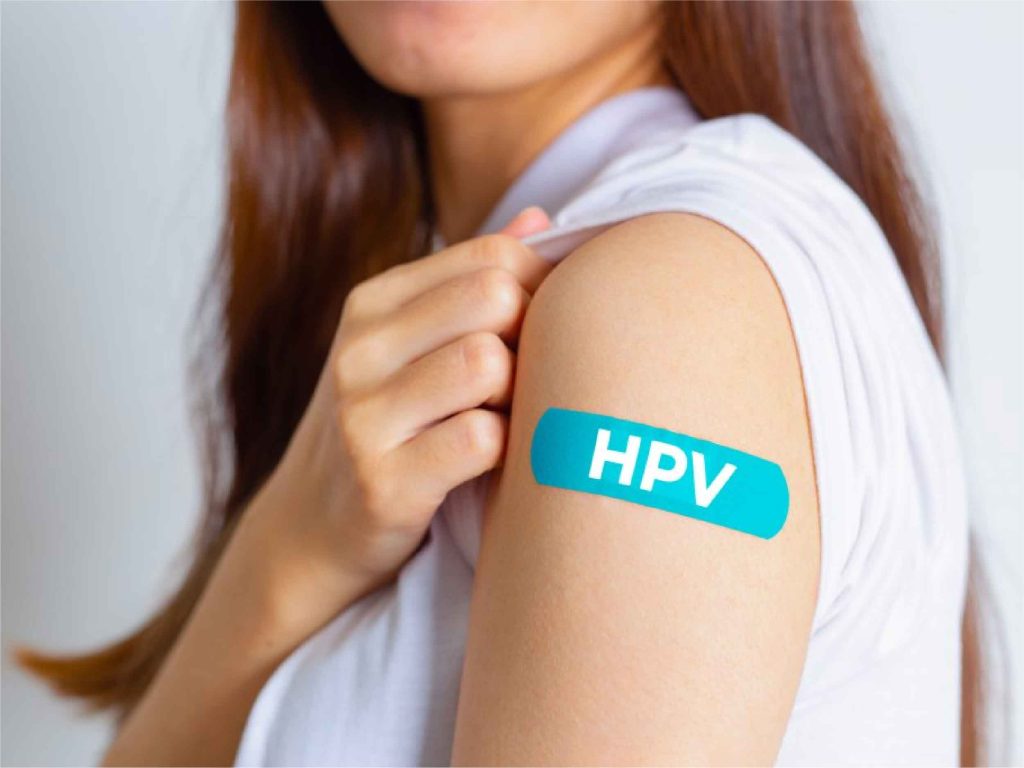
Human Papillomavirus (HPV) is the primary cause of cervical cancer. HPV is transmitted through sexual contact. Starting sexual activity at an early age or having multiple sexual partners increases the risk. Other contributing factors include long-term use of oral contraceptives (over five years), giving birth to three or more children before age 17, and smoking.
Early-stage cervical cancer often presents no obvious symptoms. However, if abnormal vaginal bleeding, foul-smelling discharge, or pain during intercourse occurs, prompt medical evaluation and diagnosis are recommended.
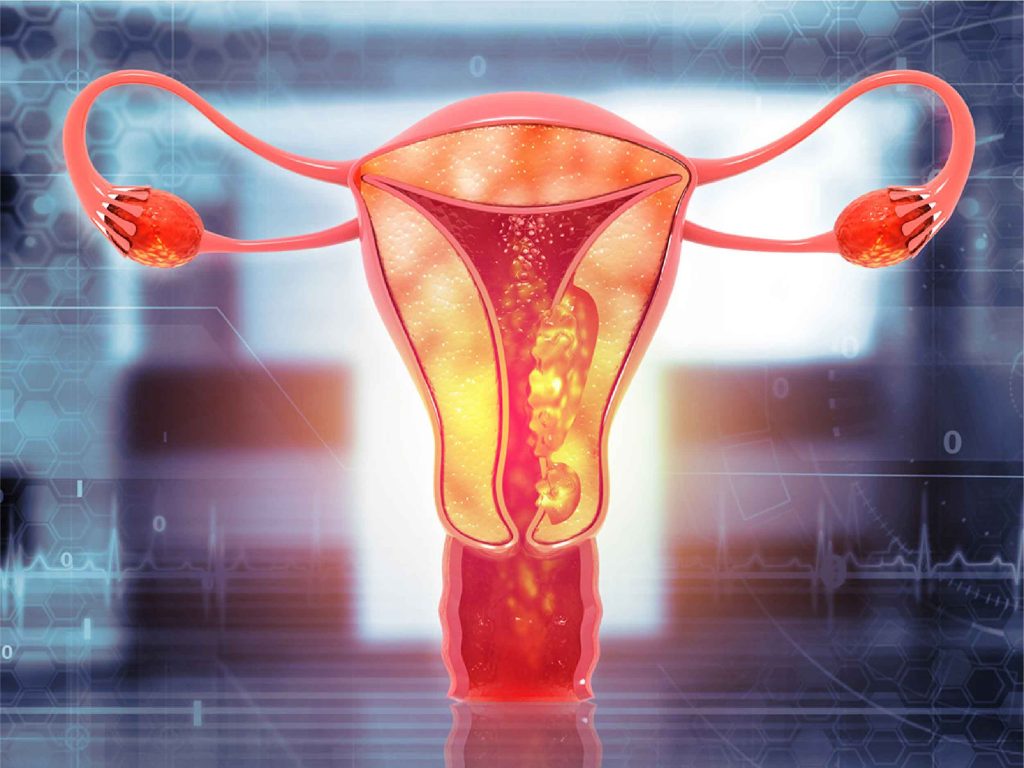
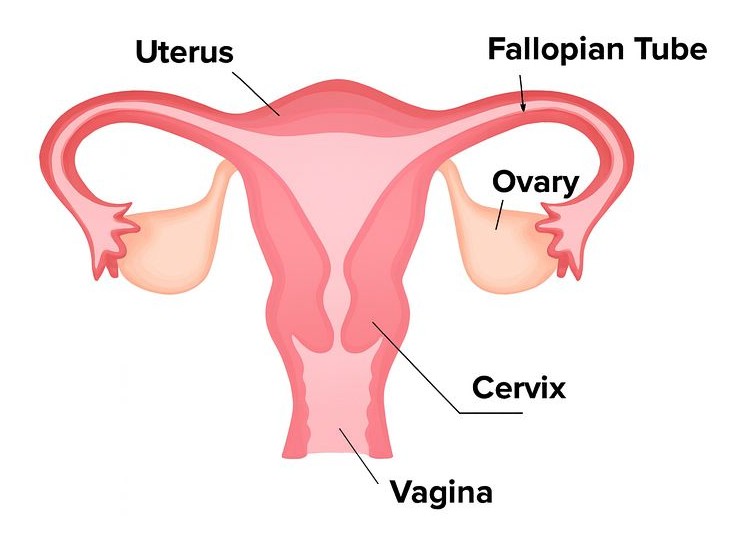
What Is the Cervix?
The cervix is located at the lower end of the uterus and is often referred to as the “neck” of the uterus.
The uterus is a pear-shaped muscular organ situated at the top of the vagina.
The endometrium sheds monthly during the menstrual cycle, resulting in bleeding—this process is known as menstruation.
Causes and Symptoms
What Causes Cervical Cancer?
Cervical cancer typically develops over several years. It begins with abnormal changes in the cells inside the cervix. These abnormal cells are known as cervical intraepithelial neoplasia (CIN). In the early stages, they are not cancerous, but if left untreated, they may gradually progress to cancer. Some doctors refer to this condition as precancerous lesions.
One major risk factor is early sexual activity or having multiple sexual partners. While these behaviors increase the risk, even women without such histories may develop precancerous changes or cancer due to HPV infection.
Common Symptoms of Cervical Cancer
Abnormal bleeding:e.g., bleeding between menstrual cycles or after intercourse
Unusual discharge:foul-smelling vaginal discharge
Discomfort during intercourse:pain or discomfort during sexual activity
Postmenopausal bleeding:vaginal bleeding after menopause should be closely monitored
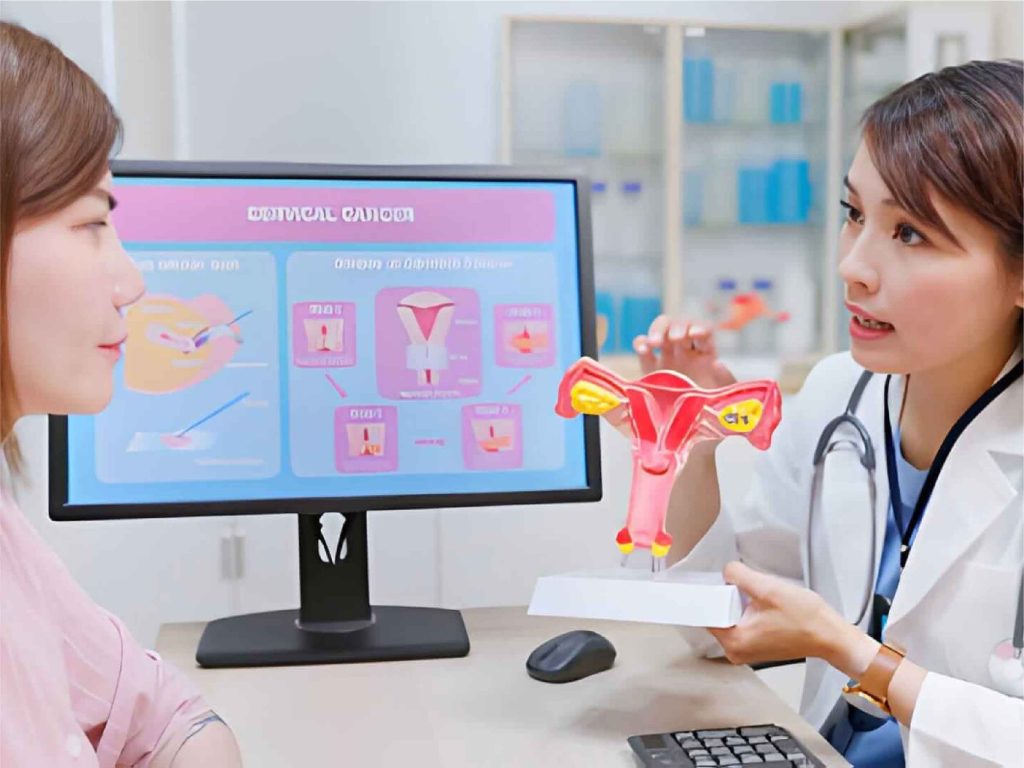
Diagnostic Methods
Initial Examinations
Pap Smear (Cervical Cytology):detects abnormal cervical cells
Colposcopy:uses a magnifying device to examine the surface of the cervix for suspicious lesions
Cone Biopsy:removes a cone-shaped sample of cervical tissue to determine if cancer is present
Loop Electrosurgical Excision Procedure (LEEP):removes abnormal cervical tissue for examination
Advanced Examinations
If initial tests indicate cervical cancer, doctors may arrange further assessments to determine whether the cancer has spread beyond the cervix and to plan the most appropriate treatment:
Intravenous Urography:checks whether the urinary system is affected
Computed Tomography (CT Scan):uses X-ray imaging to observe the tumor’s extent
Magnetic Resonance Imaging (MRI):provides clearer images of soft tissues to assess cancer spread
Pelvic Ultrasound:examines organs within the pelvic cavity
Treatment Methods
When planning treatment, doctors consider several factors, including:
-
The patient’s age and overall health
-
The type and size of the tumor
-
Microscopic characteristics of the tumor
-
Whether the cancer has spread beyond the cervix
Surgical Treatment
Surgery typically involves removal of the uterus, and in some cases, part of the vagina and lymph nodes.
Radiation Therapy
Radiation therapy is divided into two types, often used together:
External Radiation Therapy:- uses high-energy beams to target the tumor; precise planning is required beforehand
Internal Radiation Therapy (Brachytherapy):radioactive material is placed inside the cervix under general anesthesia; radiation ceases once the material is removed
Chemotherapy
Chemotherapy uses anti-cancer drugs to disrupt the growth and division of cancer cells
Before surgery or radiation, chemotherapy may shrink the tumor to make treatment more manageable
After surgery, if residual cancer cells or recurrence risk remains, adjuvant chemotherapy may be used
Chemotherapy is usually administered intravenously
Common Side Effects
Fatigue
Nausea and vomiting
Diarrhea
Hair loss
Mouth ulcers
Menopause or infertility

